
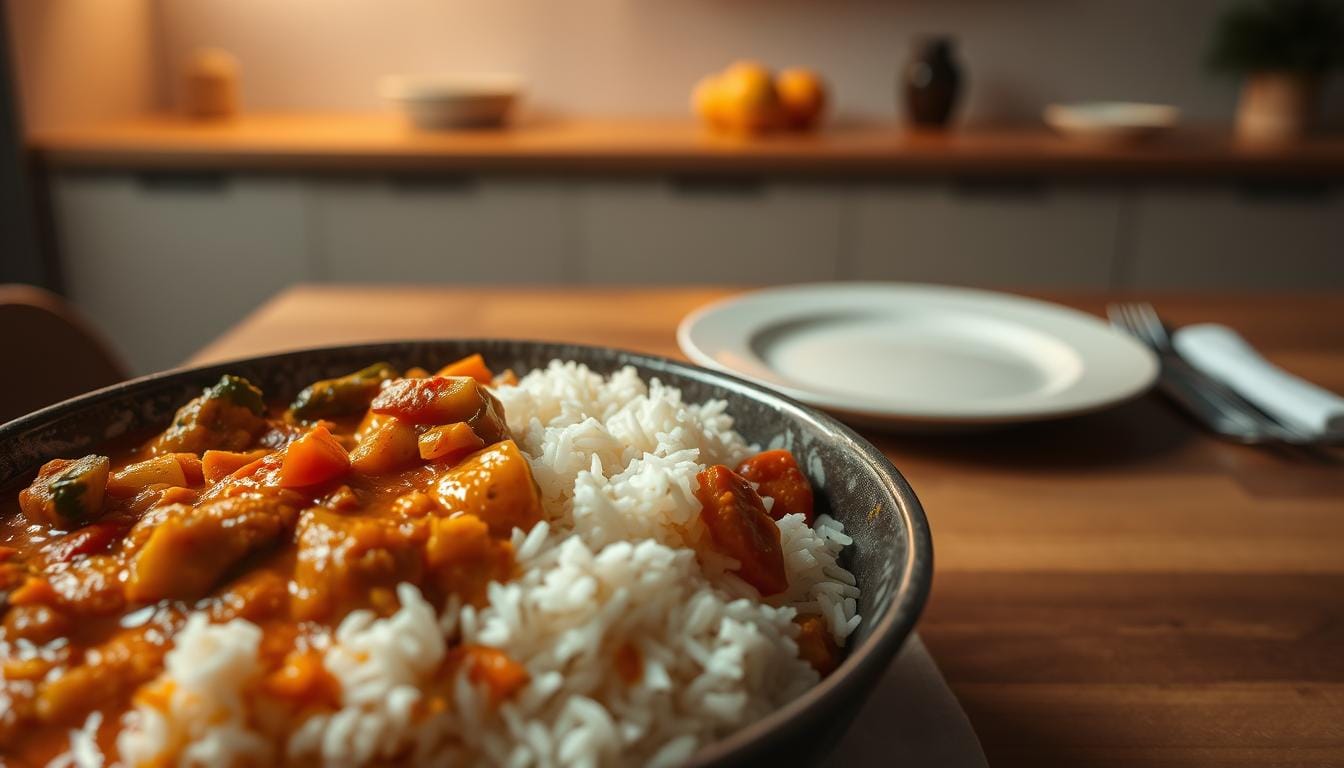
30-minute vegetarian curry meal
Surprising fact: Nearly half of home cooks say a single-pan dinner saves them more than 30 minutes of cleanup each week.
This post walks you through a fast, one-pot comfort dinner built from pantry staples and mixed veggies.
Start with simple aromatics in one skillet or Dutch oven, add chickpeas for protein, then simmer everything in a creamy coconut base for bold flavor. The method leans on staples you likely have, so you can get dinner on the table in about thirty minutes without a shopping trip.
Expect beginner-friendly steps, minimal dishes, and a flexible approach. Swap in your favorite veggies, adjust spices, and finish with bright garnishes for a restaurant-level finish at home.
Key Takeaways
- One-pot technique saves time and cuts cleanup.
- Pantry staples plus chickpeas give lasting protein and satisfaction.
- About thirty minutes from stove to table with bold flavor.
- Flexible veg swaps make the recipe adaptable to what you have.
- Simple steps are great for weeknights and cooks of any skill level.
Why This Weeknight Curry Belongs in Your Rotation
Make dinner simple without losing the taste. Keep one pot or skillet handy and you can get dinner done in about thirty minutes. This method saves cleanup and gives you time back in the evening.
Budget-friendly, pantry-first ingredients mean you rely on cans, a few fresh items, and basic seasonings. Chickpeas and mixed vegetables simmer fast in a lightly spiced sauce so groceries stretch farther.
Ready in minutes with one pan
Use onion, garlic, and ginger with curry powder or red curry paste to build quick depth. A single pot approach is forgiving and fast.
Nourishing comfort
The dish delivers protein from chickpeas and fiber from veggies. Antioxidant-rich spices like turmeric and ginger add warmth and restorative perks beyond flavor.
- One pot or skillet keeps cleanup minimal.
- Flexible ingredients let you swap frozen or fresh produce.
- Adjust heat to suit your table without changing the method.
| Benefit | Why it matters | Quick tip |
|---|---|---|
| Speed | Ready in about thirty minutes | Sauté aromatics first to save time |
| Cost | Pantry staples lower grocery bills | Use canned chickpeas and frozen veg |
| Nutrition | Protein and fiber in every bowl | Add greens for extra vitamins |
Ingredients for a Creamy, Flavor-Packed Curry
Gather pantry staples and a few fresh picks to build a rich, creamy sauce that comes together fast. Below are the essentials and a few smart swaps so you can tailor the dish to what’s on hand.
Pantry and proteins
Chickpeas anchor the dish with affordable protein and texture. Use canned chickpeas for speed.
For the creamy base, choose canned full-fat coconut milk for richness or try unsweetened almond or cashew milk for a lighter finish. A spoonful of peanut butter adds body; almond or sunflower butter work too.
Fresh vegetables
Start with onion and a red bell pepper. Add baby spinach or kale and green beans or a mixed vegetables medley (fresh or frozen) for color and fiber.
Aromatics, spices, and liquids
Use minced garlic, grated ginger, turmeric, and either curry powder or Thai Kitchen red curry paste to build depth. Keep oil, salt, and black pepper nearby.
Thin the sauce with vegetable stock or water, then finish with lemon or lime juice for brightness.
Garnishes
Top bowls with cilantro, sliced scallions, a dollop of yogurt, or pickled shallots for contrast and freshness.
- Quick tip: Use canned ingredients and frozen vegetables to save time without losing flavor.
30-minute vegetarian curry meal: Step-by-Step Method
Follow this quick, skillet-friendly method to move from fridge to table with minimal fuss. Each stage builds flavor so the dish tastes layered even when time is tight.
 https://web.facebook.com/profile.php?id=61565989967604
Sauté aromatics and pepper until soft and fragrant
Warm 1 to 2 tablespoons of oil over medium heat in a pot or large skillet. Add the onion and bell pepper and cook, stirring occasionally, until softened and fragrant—about 7 to 8 minutes.
Bloom spices and paste to build depth
Stir in garlic, turmeric, grated ginger, and black pepper with your choice of red curry paste or curry powder. Cook for 1 to 2 minutes so the spices bloom and release toasty aromas.
Add greens and chickpeas; let them take on the spices
Toss in spinach or kale and wilt until bright and tender. Add canned chickpeas and stir so each piece gets coated in the spice mix.
Pour in coconut milk (or alt milk), simmer to thicken
Pour in full-fat coconut milk or your preferred milk alternative and add a splash of stock or water. Bring to a gentle simmer and cook for 12 to 15 minutes until the sauce thickens and vegetables are tender.
Finish with citrus and fresh herbs; season to taste
Adjust consistency with extra water if needed, then season with salt. Squeeze in lemon or lime juice and fold in cilantro or scallions for brightness.
Taste and fine-tune heat or salt before serving. Serve straight from the pot while hot for the best texture and flavor.
Pro Tips for Maximum Flavor in Minimum Time
Small steps—blooming spices and the right milk—make a big difference in texture and taste.
For the creamiest texture, use full-fat canned coconut milk. It gives body and a glossy sheen with little simmer time.
If you want a lighter finish, swap in unsweetened almond or cashew milk and simmer a bit longer to concentrate body.
Control heat by adding red curry paste or a pinch of cayenne slowly. Taste as you go so the pepper and heat stay balanced.
Bloom ground turmeric and grated ginger briefly in oil to unlock fast, layered flavor. A squeeze of lemon and a pinch of salt brightens the whole pot.
“Blooming spices for 30 seconds before adding liquids boosts aroma and depth.”
- Finely ground spices mix evenly—stir to avoid clumps.
- Thin a too-thick sauce with stock; reduce a thin one uncovered.
- Keep ingredients within reach so everything finishes at the right time.
Smart Variations to Match Your Veggies and Mood
Try simple swaps to match what’s in your fridge and shift the dish’s texture and spice in minutes.
Chickpea and Spinach swap
The same base shines with plenty of baby spinach. Toss it in near the end so leaves stay bright and tender.
This adds color and keeps the protein from the chickpeas front and center with almost no extra minutes.
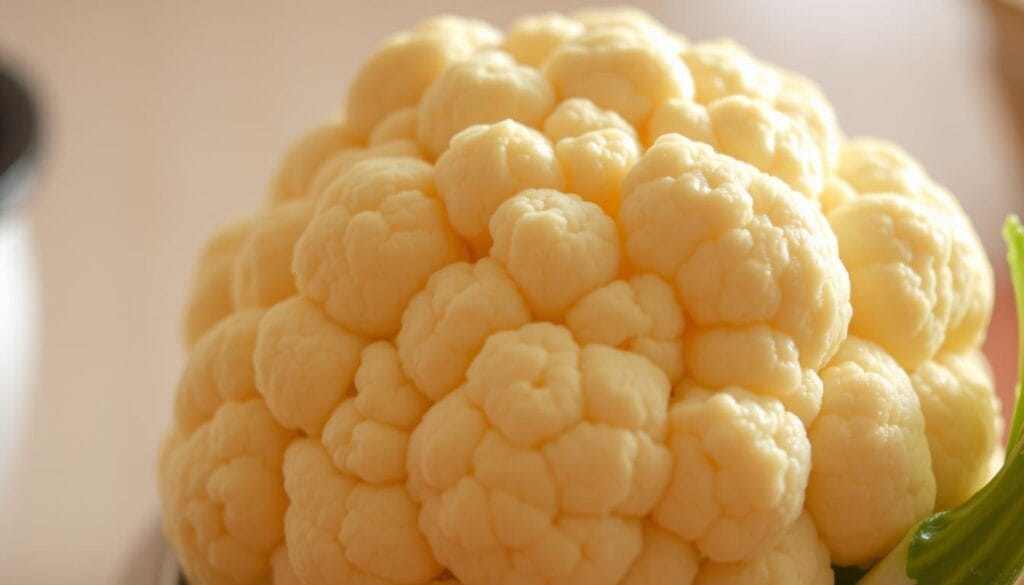
Cauliflower and chickpea twist
Add thawed or lightly steamed cauliflower florets with the chickpeas for more bite and vegetable variety.
Cauliflower holds up in the sauce and gives a pleasant, roasted-like texture when you finish with a splash of lemon.
Sweet potato add-in for extra comfort
For a cozy version, roast sweet potato cubes until tender, then fold them into the pot just before serving so they keep shape.
Mild to spicy: scale turmeric, pepper, and paste
Prefer mild? Use less curry paste and a light hand with pepper. Want heat? Increase gradually and taste as you go.
Add a bit of grated ginger and minced garlic for aromatic lift without changing the method.
- Mix-and-match: swap kale for spinach or add other frozen veggies to use what you have.
- Spice tip: try half powder and half paste to balance warmth and complexity.
- Finish: always brighten with citrus and fresh herbs to lift the flavor.
| Variation | Key swap | Why it works |
|---|---|---|
| Chickpea & Spinach | Baby spinach | Fast wilt, bright color, extra vitamins |
| Cauliflower & Chickpea | Cauliflower florets | Hearty bite, extra vegetable texture |
| Sweet Potato Add-In | Roasted sweet potato cubes | Cozy sweetness, holds shape when added late |
| Heat Control | Adjust paste, powder, pepper | Customize spice level without changing method |
What to Serve with Your Curry
Picking the right side turns a great pot into a full dinner. Choose a neutral grain or bread so the sauce shines. Small additions add crunch and balance without extra work.
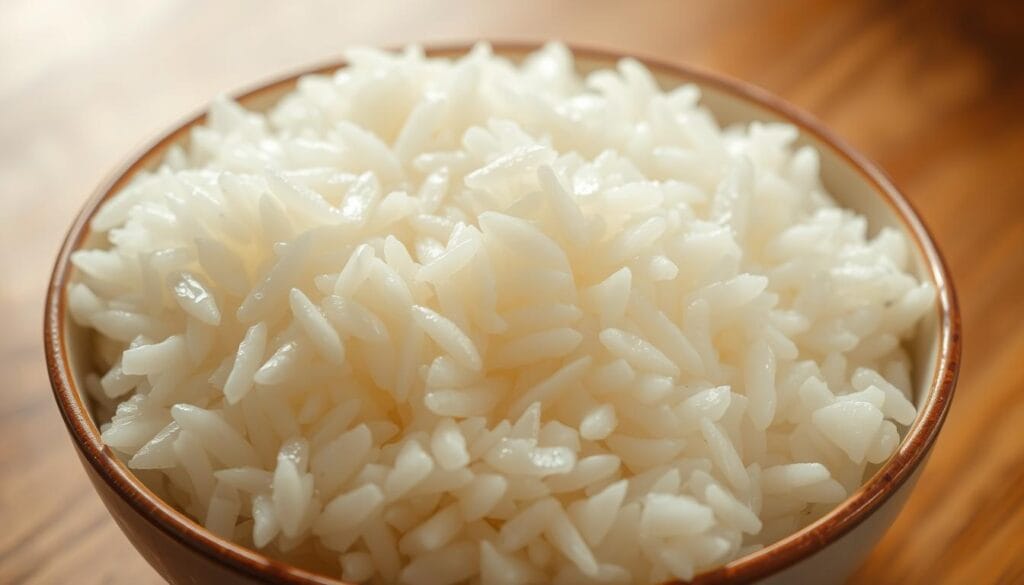
Grains and noodles: Spoon the sauce over fluffy basmati or jasmine rice for classic comfort. Use rice noodles for a slurpable twist, or try quinoa if you want extra protein. Serve with a small cup of rice per person and keep extra cups for seconds.
Bread and quick veg sides
Warm naan is perfect for scooping every last drop. Toast it lightly for a touch of char and chew.
For crunch, quick sautéed broccoli pairs especially well. Toss in thin strips of red bell right before serving for a sweet snap.
Bright finishes
Garnish with cilantro, a dollop of yogurt, a squeeze of lime, or tangy pickled shallots to brighten flavor and contrast the rich sauce.
- Spoon sauce over basmati or jasmine rice to soak up flavor.
- Quinoa offers added protein and a light texture.
- Warm naan is ideal for scooping and sharing.
- Quick-sautéed broccoli adds crunch and color.
| Side | Why it works | Serve amount |
|---|---|---|
| Basmati or jasmine rice | Neutral base that soaks sauce | About 1 cup cooked per person |
| Quinoa | Extra protein, light texture | 3/4 cup cooked per person |
| Rice noodles | Slurpable, fun alternative | Adjust to appetite |
| Naan | Great for scooping and sharing | 1 piece per 2 people |
Storage, Reheat, and Nutrition at a Glance
Plan ahead and your pot becomes weekday convenience — safe, tasty, and easy to reheat.
Fridge life: Let the curry cool, then transfer to a sealed container and store in the fridge for up to 5 days. Keeping rice and sauce separate helps textures stay fresh.
Freezer-friendly: Portion into airtight containers and freeze for up to 3 months. Thaw overnight in the fridge before reheating for best results.
Reheating
Microwave individual portions, stirring every 30 seconds until steaming hot; this usually takes a few minutes depending on portion size.
On the stovetop, warm over medium and add a splash of water or broth to loosen the sauce to a silky texture. Stir as it heats so it warms evenly.
Nutrition spotlight
A typical serving delivers meaningful fiber and protein, with calorie ranges roughly in the 258–272 kcal window for many versions. Fat varies by whether you used full-fat coconut milk or a lighter substitute.
“Turmeric and ginger add antioxidant and anti-inflammatory perks, along with bright color and aroma.”
| Storage Type | How Long | Reheat Tip |
|---|---|---|
| Refrigerator (sealed container) | Up to 5 days | Stir before serving; separate rice when possible |
| Freezer (airtight container) | Up to 3 months | Thaw overnight in the fridge, then reheat |
| Microwave | Minutes — varies by portion | Pause every 30 seconds to stir for even heat |
| Stovetop | Minutes — immediate | Warm gently with a splash of water or broth |
- Leftovers keep well, so make extra for easy lunches or dinners later in the week.
- Expect small natural shifts in sugar and salt depending on broth and paste brands; taste and adjust before serving.
Conclusion
Conclusion
D: When time is tight, focus on bright aromatics, toasted ground spice, and a creamy coconut finish for consistent results. Keep this simple playbook: heat oil, sauté onion and peppers, bloom spices, add chickpeas and spinach, then pour in milk and a splash of water to simmer until silky.
Quick wins: gather aromatics and one can of chickpeas, choose coconut or a lighter milk, and adjust heat to taste. Finish with citrus and fresh herbs for lift.
Serve over rice or with naan and a side of crisp broccoli. Store portions chilled for up to five days or freeze for longer; reheat gently with a splash of water to restore texture.
Bookmark this recipe—simple swaps let you make it your own on any busy weeknight. strong,